
Google Discover is now a powerful and still underused lever to drive massive traffic to a website. In an interview published on the Learning Club channel, Jennifer Larchon, a Discover expert for over 6 years, shares practical insights to succeed on Google Discover in 2025.
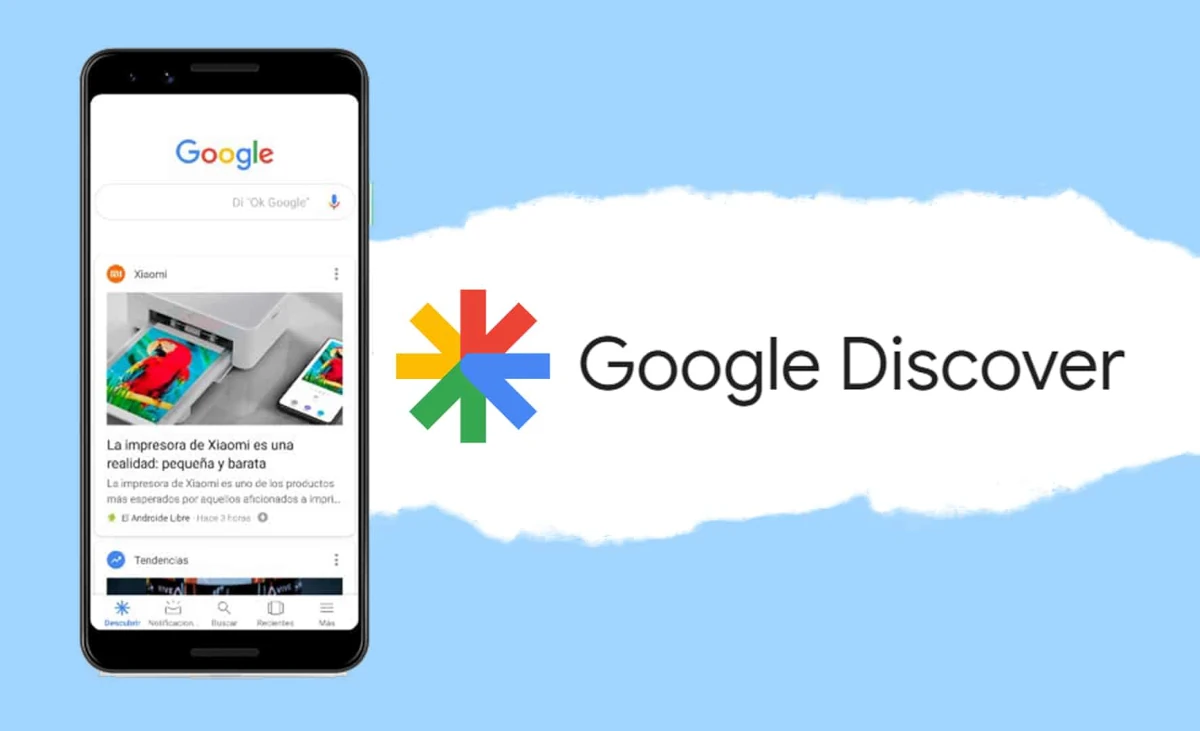
Google Discover is a personalized content feed available on mobile devices. Unlike traditional search, it does not rely on queries but on user interests detected by Google.
The algorithm highlights content based on its relevance and ability to capture attention.
Requirements to appear on Google Discover
To be featured on Discover, three key elements are essential:
- A compelling headline that attracts attention without misleading
- A high-quality and relevant image
- Initial traffic signals, even modest
Any site can be featured on Google Discover if it meets these criteria. However, penalized or low-quality sites may struggle to regain visibility.
The importance of niche selection
Competition plays a major role in Discover performance.
- Highly competitive niches like finance can generate high revenue but are harder to rank
- Less competitive topics like gardening or AI allow easier visibility but lower monetization potential
A recommended strategy is to start with a broad site and then specialize based on the topics that perform best in Search Console.
Publishing frequency: quality over quantity
Publishing a large number of articles daily (30 to 50) can lead to:
- Low-quality content
- Algorithmic penalties
- User dissatisfaction
A safer approach is to start with 1 to 2 articles per day, analyze performance, and scale gradually.
If your content generates impressions but few clicks, optimize the headline, image, or topic.
AI content vs human-first content
Tools like ChatGPT can assist content creation, but the priority remains the reader.
Content should be:
- useful,
- engaging,
- well-structured,
- genuinely interesting.
Enhance your articles with visuals, infographics, and interactive elements. Avoid publishing content that lacks real value.
Monetization potential on Google Discover
Revenue depends on your niche and traffic volume.
- RPM (revenue per 1,000 clicks) varies significantly
- Some niches like finance can reach up to $5 per 1,000 clicks
Example: publishing 2 articles per day combined with traffic monetization strategies can generate several thousand euros per month.
However, high earnings often come with higher risks, especially in sensitive niches.
Stand out to succeed
To succeed on Discover, differentiation is essential:
- Approach topics from unique angles
- Cover entire subject ecosystems
- Leverage seasonality
Diversifying traffic sources is also crucial. Paid traffic (such as ads) can boost visibility, but long-term success depends on organic performance.
Conclusion
Google Discover is a powerful traffic acquisition channel when used strategically.
Success depends on balancing algorithmic optimization with genuine value for readers.
Test, analyze, improve, and stay consistent. This is the key to building sustainable visibility on Discover.
FAQ: Google Discover
What is Google Discover?
Google Discover is a personalized content feed that shows users articles based on their interests without requiring a search query.
How can I appear on Google Discover?
You need high-quality content, engaging headlines, strong visuals, and initial traffic signals.
How many articles should I publish per day?
Start with 1 to 2 articles per day and increase gradually based on performance.
Is AI content effective for Discover?
Yes, but it must be human-focused, engaging, and valuable to readers.
Can Google Discover generate revenue?
Yes, depending on your niche and traffic, it can become a significant source of income.


